Over 80 percent of dogs and cats over the age of three have some degree of dental disease. Most show no obvious signs, because animals instinctively hide pain. By the time a pet stops eating or shows visible discomfort, the disease is often well advanced. At OC Pets we take dental health seriously because it directly affects your pet's organ health: bacteria from periodontal disease enter the bloodstream and can damage the heart, kidneys and liver over time.
Dental Assessment and Examination
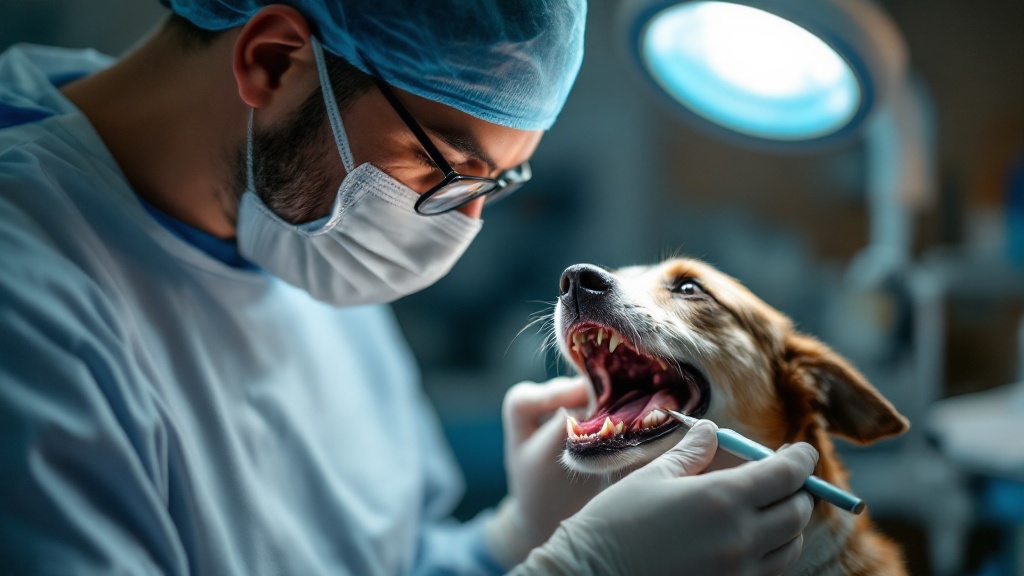
Every dental procedure at OC Pets begins with a thorough oral examination under anaesthesia. Only under general anaesthesia can we properly assess all surfaces of every tooth, probe the gum pockets and identify root involvement.
Awake examinations have their place for initial screening, but a proper dental assessment cannot be done safely or accurately in a conscious, moving patient. The anaesthetic is not a necessary evil; it is what makes the examination genuinely useful and the treatment complete.
Professional Scaling and Polishing
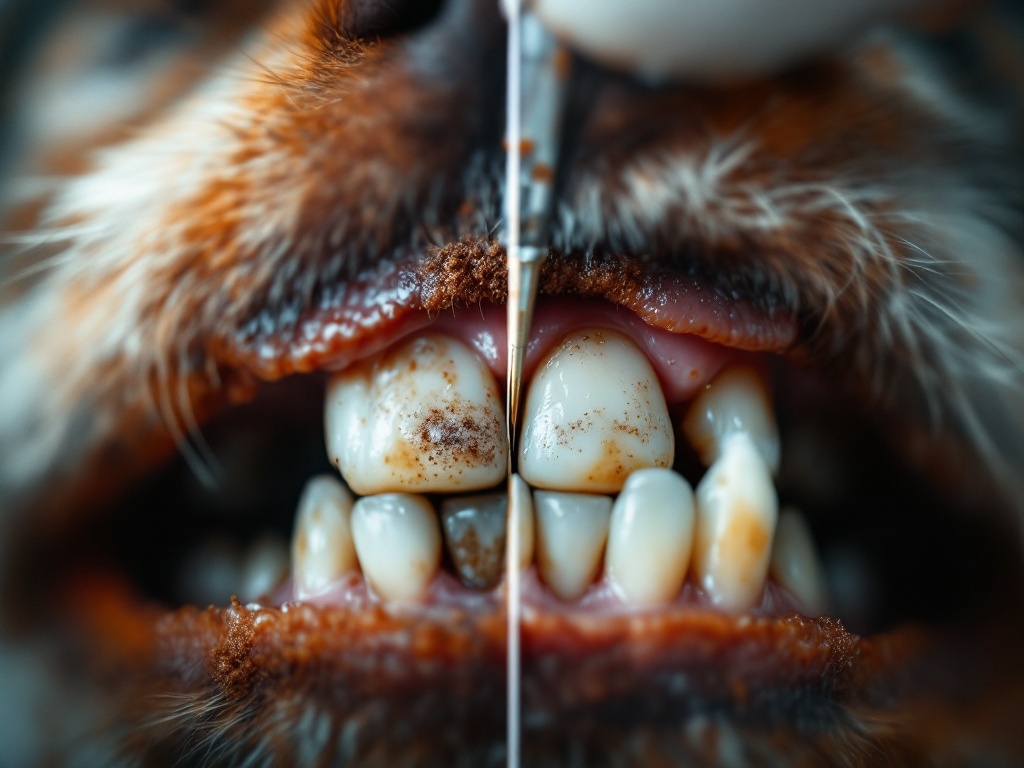
Ultrasonic scaling removes tartar build-up both above and below the gum line, where the most damaging periodontal disease occurs. After scaling, each tooth is polished to remove micro-scratches that would otherwise accelerate new tartar accumulation.
If extractions are needed, these are performed under the same anaesthetic after full assessment of root integrity. We discuss all findings with you before performing any extractions and contact you intraoperatively if we find something unexpected.
Home Care and Maintenance
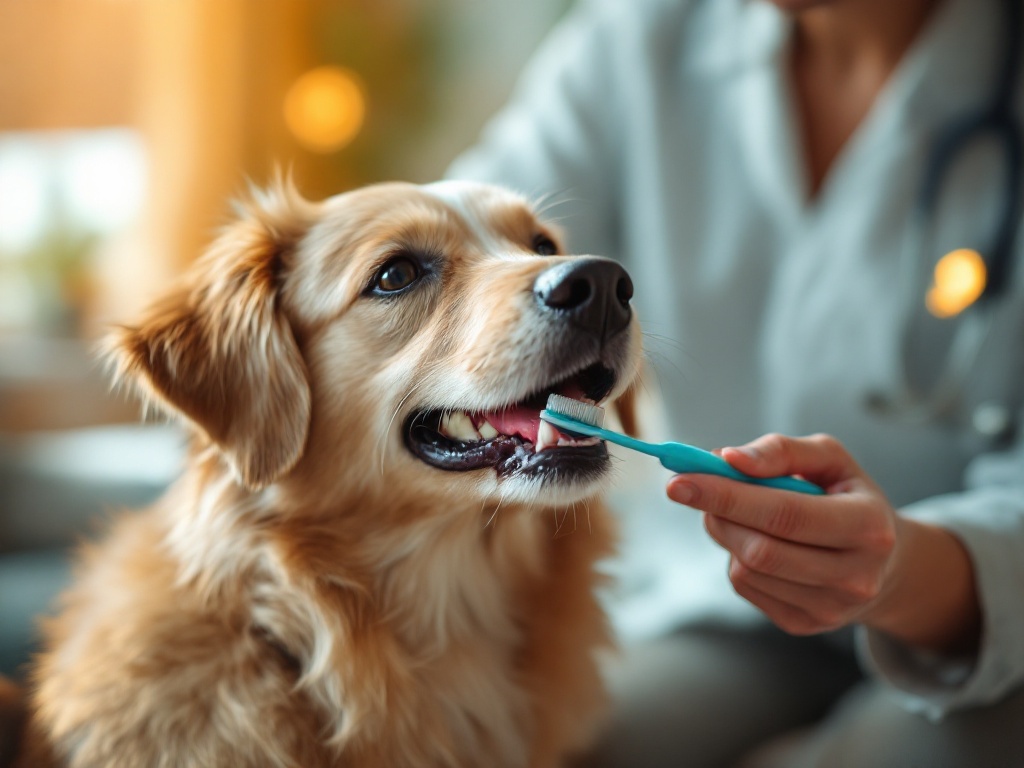
Once your pet's teeth are professionally cleaned, the goal is to slow reaccumulation of plaque and tartar. Daily toothbrushing with a pet-safe enzymatic toothpaste is the most effective home care measure. We demonstrate technique at the follow-up visit, as getting started correctly makes a significant difference to compliance.
Dental diets, dental chews and water additives all contribute but cannot replace brushing. We will recommend a home care plan based on your pet's individual dental status and your realistic schedule. The goal is sustainable routine care, not perfection.
Frequently Asked Questions
Is anaesthesia safe for dental procedures?
Yes, with proper pre-anaesthetic screening. We run in-house blood tests before every anaesthetic to assess organ function. Modern anaesthetic agents and continuous monitoring protocols make veterinary anaesthesia very safe in healthy patients. We discuss all findings with you before proceeding.
How often does my pet need a professional dental clean?
It varies by individual. Some dogs with good home care may go two to three years between professional cleans. Others may need annual attention. We assess dental grade at every wellness visit and advise on timing based on what we find.
What are the signs of dental disease in dogs and cats?
Bad breath is the most common sign owners notice. Others include yellow or brown deposits on teeth, inflamed red gums, difficulty eating, pawing at the mouth, loose teeth and in advanced cases, facial swelling. Cats often stop grooming when their mouth is painful.
My pet eats normally. Does it still have dental disease?
Likely yes, if over three years old with no dental assessment. Animals are highly motivated to eat and will do so even with considerable pain. The absence of obvious discomfort does not mean the mouth is healthy.
What happens if teeth need to be extracted?
We call you intraoperatively to discuss the finding and get approval before extracting any tooth. Extractions are performed under the same anaesthetic, so no additional procedure day is needed. Most pets recover very quickly, often eating normally the same evening.
Ready to Book?
Our team is available 7 days a week, 10 AM to 10 PM. Book online or call us directly for same-day availability.